Landlocked Bolivia, South America’s economically poorest and most indigenous country, is a land of extremes, that often provides a striking reflection of regional political and social trends. The last eleven years of Evo Morales’ government is no exception.
read more
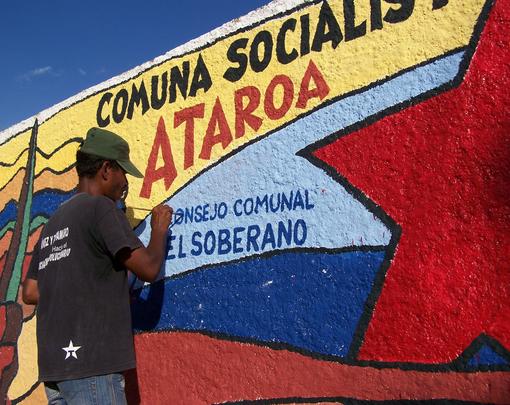
Hugo Chávez’ election as Venezuela’s president in 1998 as a political outsider with 56 percent of the vote attests largely to his appeal among those excluded from the nation’s political, economic and cultural life. Most of these so-called “marginalized” Venezuelans work in the informal economy, while others belong to the rural work force. Their important political role is significant because it helped shaped the social programs that the Chávez government implemented, particularly their innovative and experimental aspects.
read more
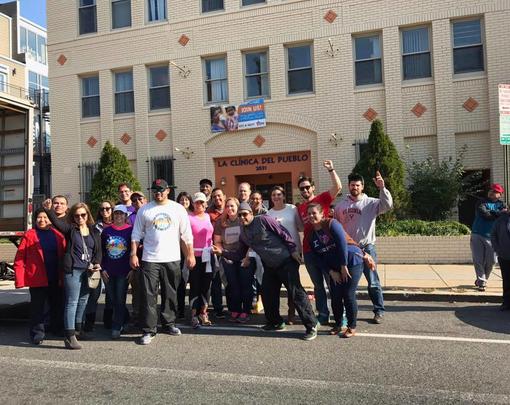
Una entrevista con Alicia Wilson, Directora Ejecutiva de La Clínica del Pueblo, una organización sanitaria con sede en Washington, DC, que ha servido la población latina e inmigrante por más de tres décadas.
read more
In this brief interview with Jessica Raven, Executive Director of Collective Action for Safe Spaces (CASS), we discuss some of the connections between space, violence, and gender inequities.
read more
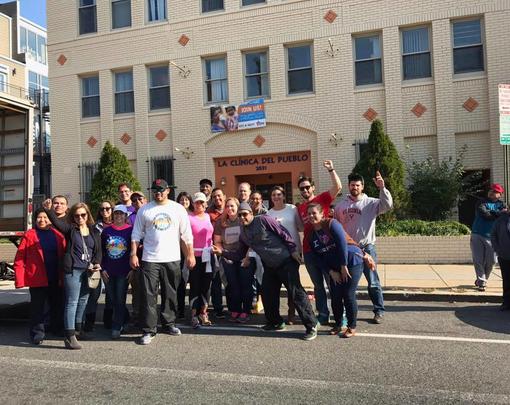
An interview with Alicia Wilson, Executive Director of La Clinica del Pueblo, a health organization based in Washington, D.C. that has served the city’s Latino and immigrant populations for more than three decades.
read more
Why is decentralization a key principle of system design? What are the limits of decentralization? What are some contemporary developments in the direction of decentralization?
read more
What is the role of planning in our present economic system? How would planning function in the Pluralist Commonwealth? Where are new models of decentralized and more participatory planning being explored today?
read more
Why is bureaucracy problematic? What can be done in a pluralist commonwealth to minimize necessary bureaucracy? What contemporary interventions or potential interventions illustrate democratic control of large-scale entities?
read more
Why must we factor gender equity into the institutional design of the next political and economic system? What kinds of structures would a Pluralist Commonwealth use to support true gender equality? Where are important elements of a more gender equitable system being built today?
read more